Sleep Tape: Fact or Fad?
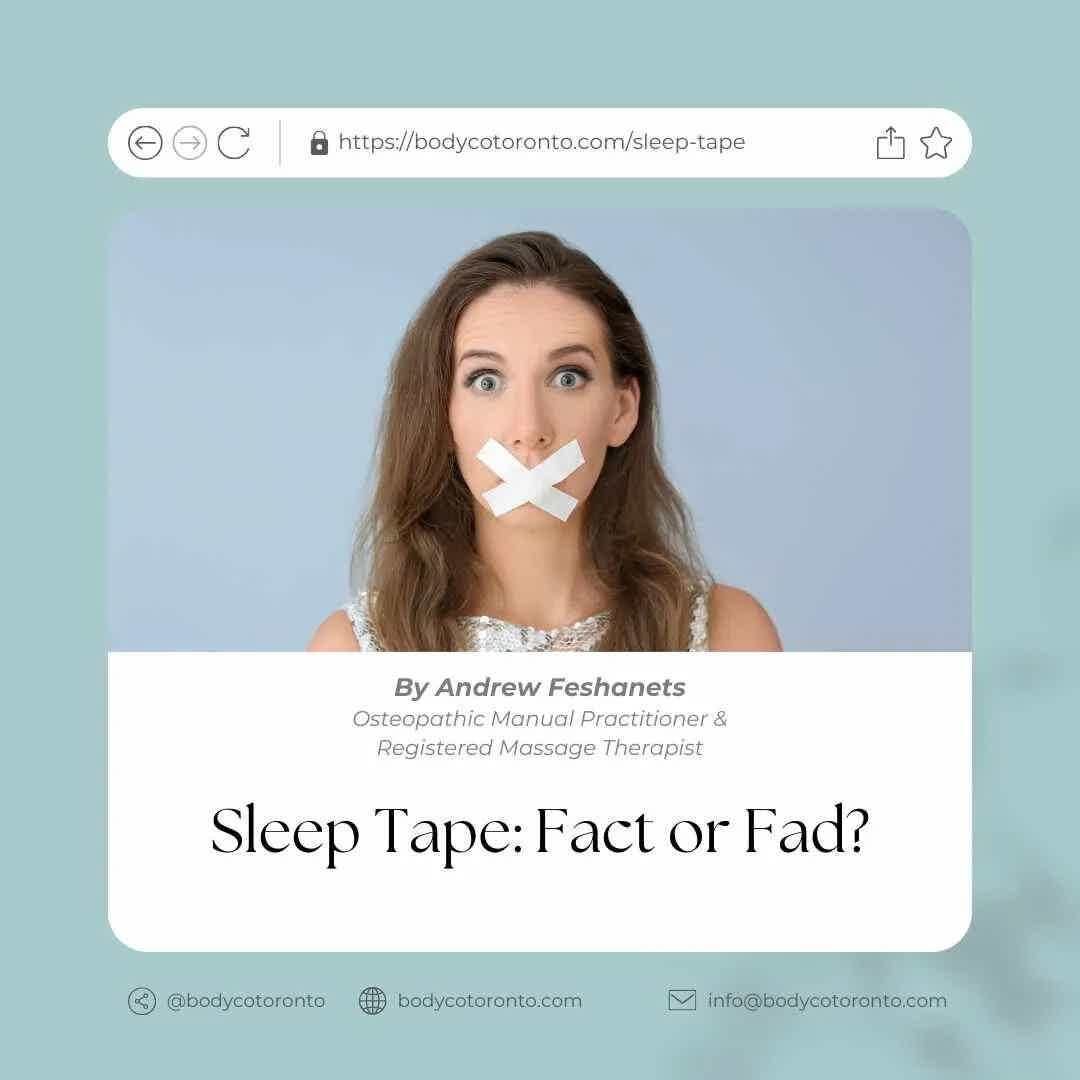
In recent years, sleep tape has gained traction as a trending wellness hack for improving sleep quality. Promising benefits like reduced snoring, better oxygen intake, and a more restful night’s sleep, it’s no wonder this small adhesive strip has garnered so much attention. But is sleep tape truly effective, or is it just another fleeting health trend?
Let’s explore.
What is Sleep Tape?
Sleep tape is a simple concept: applying a small piece of adhesive tape over your lips to gently encourage nasal breathing during sleep. Advocates claim that by keeping the mouth closed, sleep tape promotes healthier breathing patterns, which can have numerous downstream benefits.
The practice is based on the idea that nasal breathing is superior to mouth breathing. Nasal breathing filters and humidifies the air, promotes diaphragmatic breathing, and increases nitric oxide production—an essential molecule for cardiovascular and immune health. By contrast, habitual mouth breathing can lead to snoring, dry mouth, and even poor sleep quality.
Suggested Benefits of Sleep Tape
Proponents of sleep tape claim it can:
- Reduce Snoring: By preventing mouth breathing, sleep tape may reduce vibrations in the throat, which are a common cause of snoring.
- Improve Sleep Quality: Encouraging nasal breathing can lead to better oxygen exchange and a more restful night
- Support Oral Health: Mouth breathing can dry out the oral cavity, leading to bad breath and an increased risk of cavities. Sleep tape may help maintain saliva flow and reduce these risks.
- Aid in Sleep Apnea: Some users report that sleep tape helps alleviate mild obstructive sleep apnea, though this claim requires further research.
Potential Risks and Concerns
Sleep tape is not for everyone. Here are some potential risks:
- Discomfort or Anxiety: Taping your mouth shut may feel claustrophobic, particularly for first-time users or those with anxiety about restricted breathing.
- Safety Concerns: For individuals with severe sleep apnea, nasal congestion, or certain allergies, sleep tape could exacerbate breathing problems rather than resolve them.
- Improper Use: Using non-medical-grade tape can irritate the skin or lead to an allergic reaction.
What Does the Science Say?
While the benefits of nasal breathing are well-documented, scientific evidence specifically supporting sleep tape is limited. Researchers agree that promoting nasal breathing can have significant health benefits, but caution is needed when introducing methods like sleep tape, particularly without professional guidance. Most claims are anecdotal or based on small studies. For example, a 2015 study published in the Journal of Clinical Sleep Medicine found that nasal breathing reduced snoring and improved oxygen saturation in some individuals. However, the study did not specifically address sleep tape. Other research follows similar trends, favouring nasal breathing during sleep but without addressing sleep tape.
Fact or Fad? An Osteopathic Perspective
So, is sleep tape a fact or a fad? The answer lies somewhere in between. From an osteopathic perspective, the principle of optimizing the body’s natural functions aligns with the goal of nasal breathing. However, the key is individualization. Sleep tape may benefit some individuals, particularly those with mild snoring or mouth breathing habits, but it is not a one-size-fits-all solution.
While it’s not a miracle cure, sleep tape can be a helpful tool for some people, especially those looking to encourage nasal breathing and reduce mild snoring. However, it’s essential to approach it thoughtfully, prioritizing safety and considering the root causes of sleep challenges. Addressing the root causes of sleep issues—such as poor sleep hygiene, stress, or structural imbalances—often yields more sustainable results.
For those seeking a holistic approach to better sleep, consulting with knowledgable health care practitioners may provide deeper insights and tailored solutions. Whether or not you choose to try sleep tape, remember: the foundation of quality sleep begins with good habits, a supportive environment, and addressing your body’s unique needs.
For more information on the advantages of nasal breathing, check out https://bodycotoronto.com/blog/nasal-breathing.

Meet Andrew
Andrew has training in Osteopathy, Massage Therapy, and has completed an undergraduate degree in Kinesiology at the University of Toronto. While at UofT, he spent time as both a varsity football athlete and a student athletic therapist working with the men’s varsity basketball and volleyball teams. It is there that Andrew developed a passion for sport medicine, physical therapy, and the human body as a whole.
As a former athlete, Andrew has a special appreciation for the important role movement plays in allowing us to be at our daily best. He believes in a holistic approach to treatment focused on restoring functional movement throughout the body. He is experienced in working with all ages and individuals from all walks of life to help restore balance to their bodies and achieve their goals.
Andrew specializes in acute and chronic conditions and traumas, with a special interest in the head and neck. Andrew has also completed additional training for treatment in post-concussion syndrome.
As part of Andrew’s osteopathic training, Andrew has completed a research thesis centred on “The Effect of Osteopathic Treatment of the Cranio-Facial Region on Nasal Patency” focused on the interrelationship of nasal respiration and osteopathic cranial treatment. Through this work, Andrew has experience training, educating, and treating individuals suffering breathing difficulties and breathing pattern disorders of all origins.