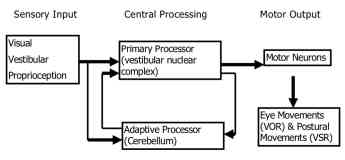
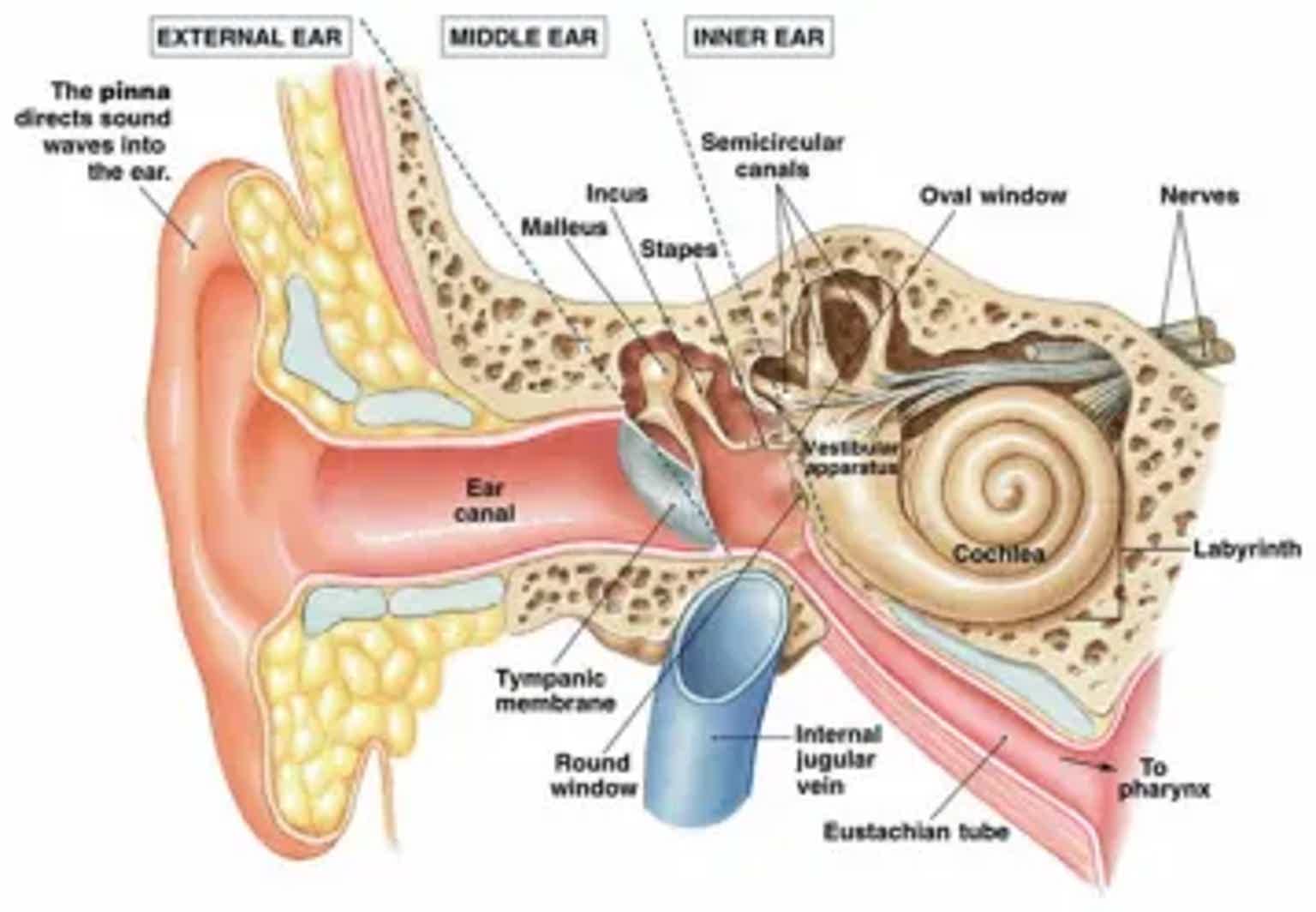
Vestibular dysfunction often results in signs and symptoms such as vertigo, dizziness, imbalance, nystagmus (involuntary, rhythmic movement of the eyes in a side-to-side, up and down or circular motion), and compromised gaze stability (the ability of the eyes to fixate a stable point when the head is moving in space).
What Does a Vestibular Appointment Involve?
Your vestibular appointment will involve a detailed assessment of gait, balance, coordination, cervical spine range of motion and strength, the oculomotor system (i.e. movement of the eyes), the vestibulo-ocular system (i.e. gaze stabilization), and a BPPV (Benign Paroxysmal Positional Vertigo) assessment.
Your physiotherapist will then determine the cause of your symptoms and design an appropriate treatment plan, including in-clinic physiotherapy and a home exercise program as indicated. Treatments will likely include vision exercises, balance exercises, gait exercises, habituation exercises (purposefully doing movements that will make the patient dizzy, with the goal of having the body get used to it over time), and other exercises to re-integrate the visual and vestibular system.
What Will Recovery Look Like?
Recovery can vary depending on the type of vestibular condition. An improved prognosis is associated with less initial disability, those seen earlier after onset, and symptoms that are provoked only by movement. A study by Hall et al discovered that “strong evidence indicates that vestibular rehabilitation provides clear and substantial benefit to patients with acute or subacute unilateral vestibular hypofunction, so, with the exception of extenuating circumstances, vestibular rehabilitation should be offered to all patients who are still experiencing symptoms…or imbalance due to unilateral vestibular hypofunction” (137). With BPPV, the efficacy of complete resolution of symptoms after one treatment ranges from 71%- 93.5% depending on the type of BPPV variant. Moreover, Rossi-Izquierdo et al provided evidence that vestibular rehabilitation can “decisively improve balance in elderly patients with instability which can lead in turn to a reduction in falls.” Decompensation, or a recurrence in symptoms, may occur with fatigue or stress, prolonged periods of inactivity, illness or occasionally a change in certain medications.
If you, or anyone you know, is suffering from dizziness, vertigo, or any of the symptoms mentioned above, book an appointment to start recovering today!
References:
Cronin, Gaye. Vestibular Atlanta, 11 Mar. 2020, https://vestibularatlanta.com/specialized knowledge-and-skills-in-adult-vestibular-rehabilitation-for-occupational-therapy-practice/. Accessed 16 Nov. 2021.
Hall, Courtney D., et al. “Vestibular Rehabilitation for Peripheral Vestibular Hypofunction.” Journal of Neurologic Physical Therapy, vol. 40, no. 2, 2016, pp. 124 - 155., https://doi.org/10.1097/npt.0000000000000120.
Health Jade Team. “Vestibular System.” Health Jade,
https://www.google.com/url?sa=i&url=https%3A%2F%2Fhealthjade.net%2Fvestibular system%2F&psig=AOvVaw0V4gN4q
6GzJ3AcFO6c13S&ust=1637154343691000&source=images&cd=vfe&ved=0CAgQjRxq FwoTCPCR86r5nPQCFQAAAAAdAAAAABAD. Accessed 16 Nov. 2021.
“Know Your Brain: Vestibular System.” @Neurochallenged, 15 Nov. 2015, https://neuroscientificallychallenged.com/posts/know-your-brain-vestibular-system.
Rossi-Izquierdo, Marcos, et al. “Vestibular Rehabilitation in Elderly Patients with Postural Instability: Reducing the Number of Falls—a Randomized Clinical Trial.” Aging Clinical and Experimental Research, vol. 30, no. 11, 2018, pp. 1353–1361.,
https://doi.org/10.1007/s40520-018-1003-0.
Tonks, Bernard. “Vestibular Rehabilitation: A Comprehensive Introduction.” Vestibular Rehab: A Comprehensive Introduction. Vestibular Rehab: A Comprehensive Introduction, 13 Apr. 2021.