Back to School Separation Anxiety | Signs and Methods to Manage Feelings
By Paula Fernandez
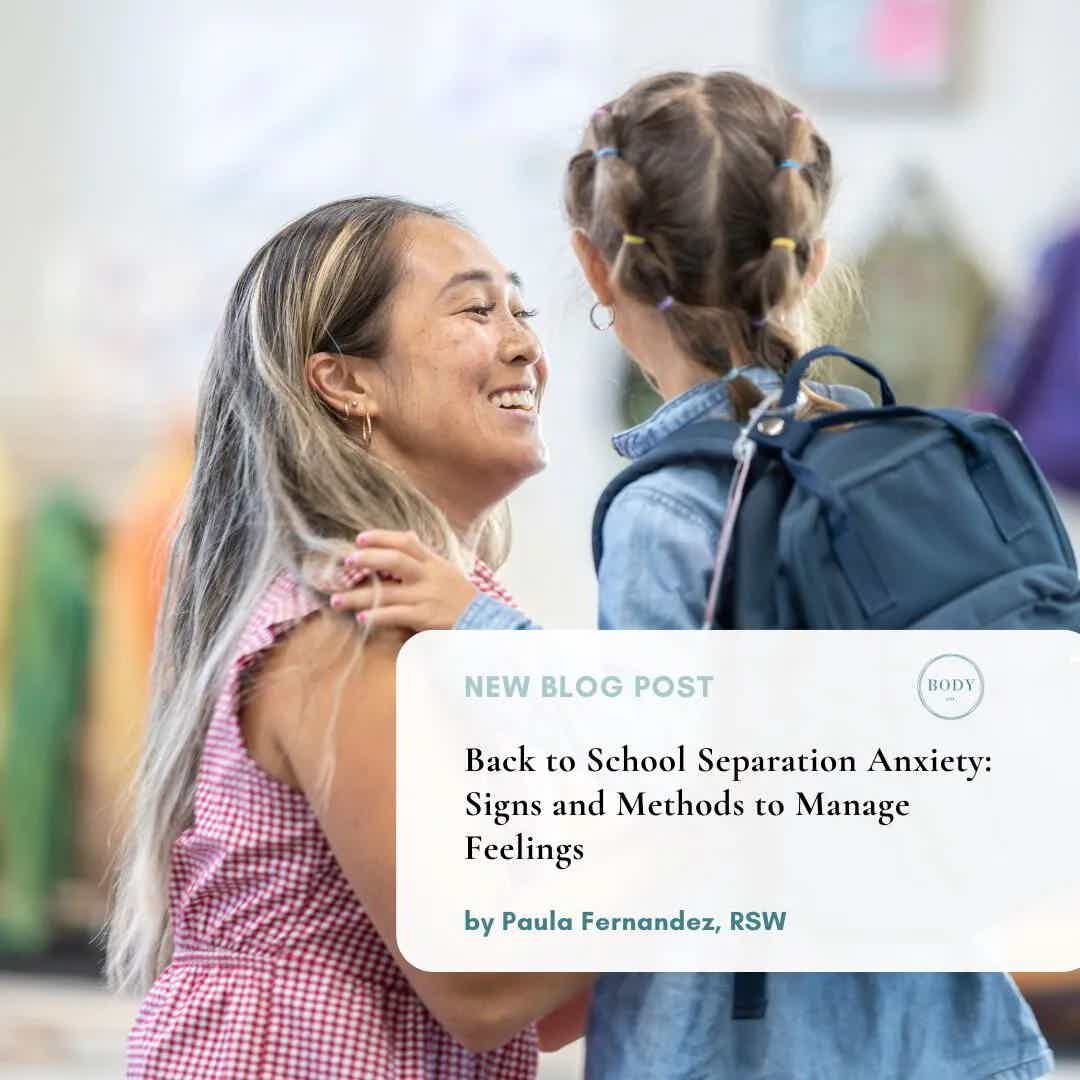
Change and transitions are difficult at whatever stage of our lives. Whether you are seeing you little one off to their first day of kindergarten or dropping your not so little one off to university, is important to recognize the signs of separation and anxiety and how they can manifest - for both of you. If separation anxiety is a persistent issue between parent and child it may signal underlying issues such as codependency and attachment issues.
Here are common signs of separation anxiety:
- Difficulty functioning and performing daily tasks due to preoccupation and fear
- Excessive worry, including catastrophic thinking and persistent thoughts about the wellbeing of a loved one
- Physical symptoms: anxiety can show up in the body with physical symptoms like nausea, headaches, stomach upset or panic
- Changes in sleep patterns including insomnia or poor-quality sleep due to worry and anxiety
- Avoidance of separation from loved ones and lacking healthy boundaries
- Needing constant reassurance through frequent texting, calling or check in on loved one when separated
Ways to manage separation anxiety in adults;
- Challenge negative thinking with CBT (cognitive behavioural thinking) tools
- Develop a routine to establish predictability and consistency in day to day
- Stay connected and communicate openly with support system
- Gradual separation exposure to adjust better to change and transitions
- Practice relaxation techniques and positive visualizations of safety and security
How to support children with separation anxiety;
- Stay calm and encourage independence and reinforce positive reinforcement when they show signs of independence and bravery
- Create a space to talk through feelings of fear and worry, do not dismiss or condone
- Practice gradual exposure, start a few weeks or months ahead of time from bigger transitions like starting school. This helps create positive associations to time apart and for a child to learn that separations are temporary
- Create rituals, developing a goodbye ritual this encourages comfort and predictability
- Use toys or objects that can aid in providing a child with comfort such as something that connect them to their parent or caregiver