Pregnancy Core Strength: The Secret to a Healthier, More Comfortable Pregnancy (and Faster Recovery!)
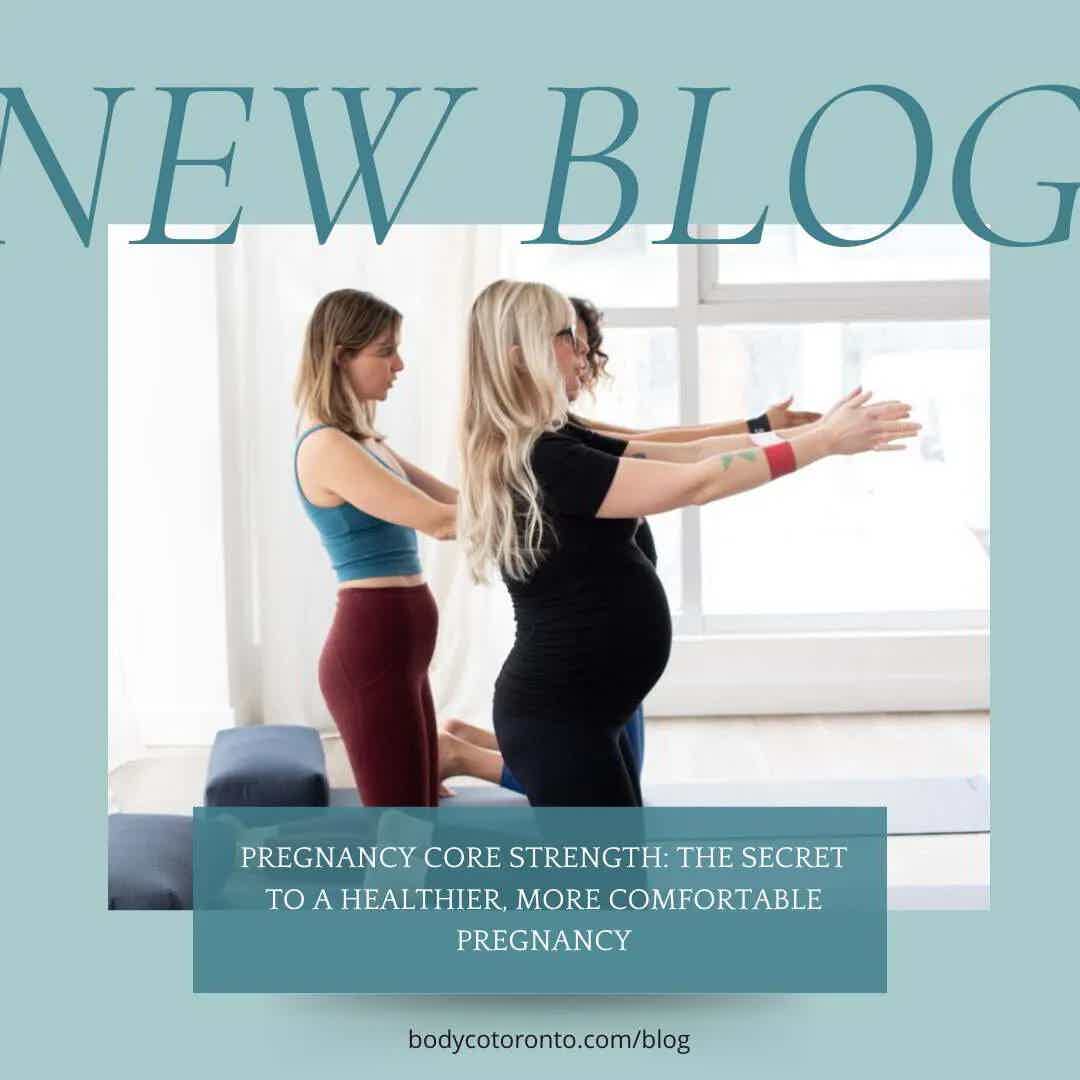
Why Engaging Your Core During Pregnancy is a Game-Changer
Pregnancy transforms your body in incredible ways—but it also brings new challenges. As your baby grows, your center of gravity shifts, posture changes, and abdominal muscles stretch. The secret weapon for supporting your body through every trimester? Proper core engagement.
1. Stabilize and Support Your Changing Body
Your abdominal muscles and spine work overtime as your bump expands. A strong, engaged core stabilizes your pelvis and lower back, reducing discomfort and helping you move with confidence.
2. Reduce Back and Pelvic Pain
Hormonal changes and shifting posture can cause lower back and pelvic pain. Activating your deep core muscles (like the transversus abdominis) provides internal support to your spine and pelvis, helping to ease these common pregnancy aches.
3. Prevent Diastasis Recti (Abdominal Separation)
Proper core engagement helps manage intra-abdominal pressure, which may reduce the degree of abdominal separation and support better postpartum function and appearance.
4. Prepare for a Smoother Labour & Delivery
A well-trained core supports effective breathing and pushing during labour. Connecting your breath with your pelvic floor and deep abdominals gives you more control when it matters most.
5. Speed Up Postpartum Recovery
Reconnecting with your deep core early postpartum helps restore stability, posture, and strength—reducing the risk of lingering back pain or pelvic floor dysfunction.


How to Engage Your Core Safely During Pregnancy
Step 1: Master Diaphragmatic Breathing
- Sit or lie comfortably, one hand on your chest and one on your belly
- Inhale through your nose, letting your belly and ribs expand
- Exhale slowly through your mouth, feeling your ribs and belly gently draw in
Step 2: Activate Your Deep Core Muscles
- Inhale to relax
- As you exhale, gently draw your lower belly in (like hugging your baby with your core)
- Imagine lifting your baby slightly, as if your core forms a hammock
- Hold for a few seconds, keeping your upper body and glutes relaxed, then release
Step 3: Use Core Engagement in Everyday Movements
- Practice gentle activation when:
- Rolling out of bed
- Lifting objects
- Standing up
- Walking or exercising
Every pregnancy is unique. If you’re unsure about core activation or experience pain, pelvic heaviness, or leakage, consult a pelvic physiotherapist for personalized guidance.
Ready to feel stronger and more confident during pregnancy? Book a prenatal core assessment or join our prenatal fitness classes at Body Co Health & Wellness, Toronto’s trusted clinic for moms-to-be.

Meet Nicole
Nicole is a dedicated and compassionate physiotherapist with a passion for lifelong learning and a deep curiosity of the human body.
With a commitment to continuous education, Nicole stays at the forefront of the latest advancements in physiotherapy, ensuring that her clients receive the most effective and evidence-based care. She has a clinical focus
that includes orthopaedic, pelvic and pediatric conditions.
Nicole creates a supportive atmosphere where clients feel heard. Whether guiding expectant mothers through the challenges of pregnancy, aiding in postpartum recovery, getting clients back to running or working with pediatric clients, she tailors her treatments to meet the unique needs of each individual.
Nicole is not just a healthcare provider; she is a partner in her clients' journeys to improved health and well-being, combining her knowledge, compassion, and diverse skill set to make a positive impact.