How Motherhood Changed My Physiotherapy Practice
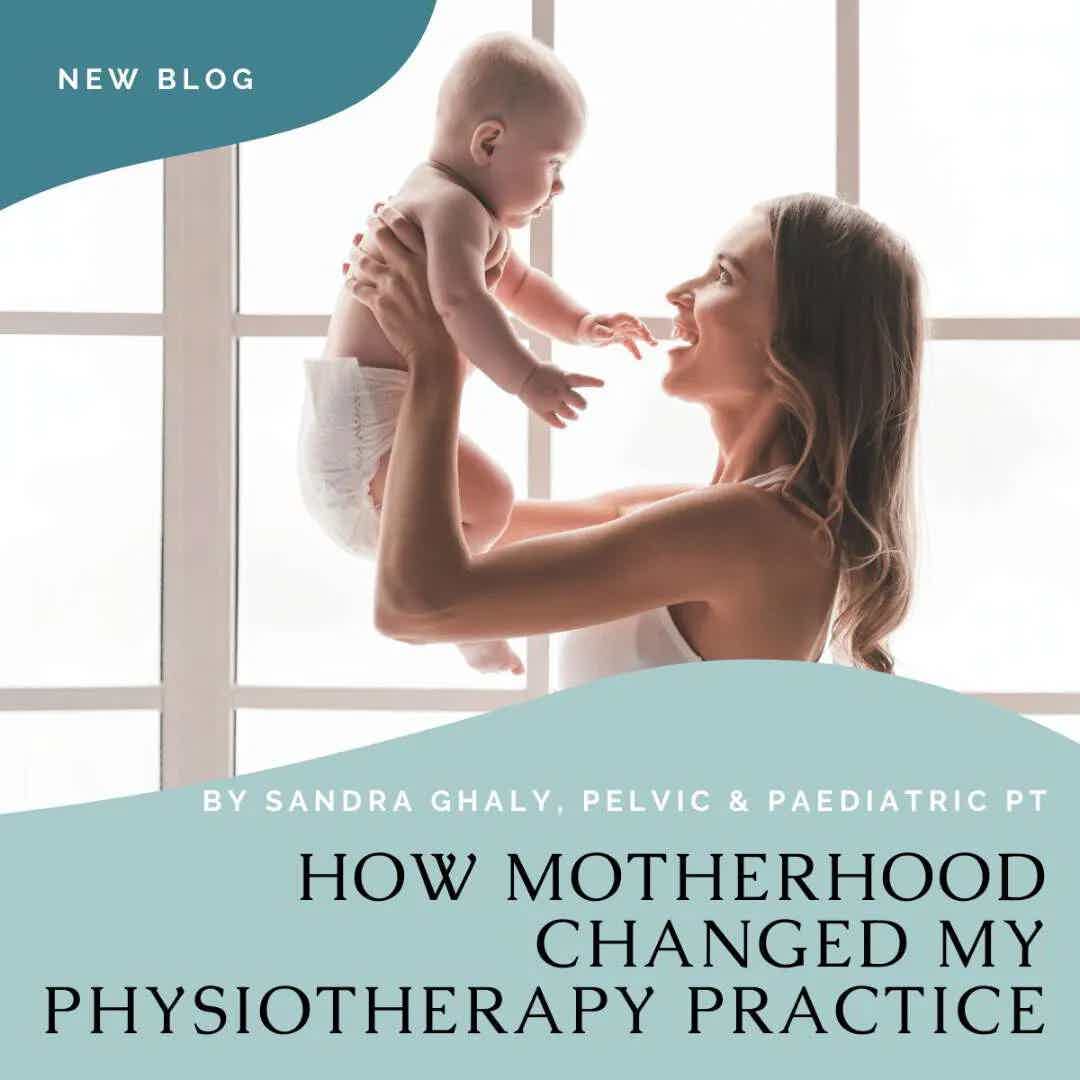
There are many skills I need to acquire for my job: knowledge, manual skills and conversational skills to name a few. The most profound skill, however, is empathy. To be able to accurately assess, diagnose and treat my patients, I have to first put myself in their shoes. And of course, I have no problem doing this. From the series of questions I ask I am able to get a pretty good idea of how they are feeling. I say ‘pretty good’ because there was always one small factor holding me back from fully connecting with some of my patients; I was not a mother and I did not have a child.
That may not seem like a big deal to you but it was to me. I wanted the advice I gave to my patients to be relatable and not just learned from a textbook. I wanted to be sure that the treatment I prescribed was manageable and fit into their everyday lives. Just like I expect my
dentist to floss their teeth everyday, I wanted to be able to tell my patients that their prenatal and postnatal pelvic health really IS a priority. I wanted to be able to say, “I’ve been there.”
Fast forward to 10 months ago when I had my first child. I remember about 6 weeks postpartum deciding I was going to start doing my pelvic floor exercises. “I’ll start with a simple 10 minutes while my baby naps, right after I take a very quick shower and eat a quick snack”. I think I may
have gotten to the second rep of the first set when my baby woke up from her awfully too-short of a nap. I thought, “okay, no problem, I’ll put her in a carrier and continue the exercises while she’s on me… oh, she won’t let me sit down….how do I even do my kegels while bouncing?….Forget it”
It was like a ton of bricks hit me. I immediately got flashbacks of all the naive and ridiculous ways I used to tell my patients to do their exercises while having a newborn. Here are just a few…
What I used to say: Your due date is in 6 weeks. Let’s start perineal massage and talk about diastasis recti healing, C-section scar management, and postpartum recovery.
What I say now: How are you feeling? What type of education would you like to focus on in the next few weeks?
What I used to say: Do 3 sets of 12 reps, 2-3 times daily
What I say now: Aim for 2-3 sets of 10. Start once a day and see how that feels.
What I used to say: Do your exercises when the baby sleeps!
What I say now: Use baby’s nap times for your well-being. Your body needs to be relaxed to focus on your exercises.
What I used to say: Make sure you’re laying down to do your exercises
What I say now: Let me teach you the exercises in different positions. Laying down will be the easiest but that’s not always possible with a baby.
What I used to say: How’s the baby doing?!
What I say now: How are YOU doing?
To all my former patients, forgive me for being naive about maintaining your pelvic health while caring for both yourself and a newborn. To my current and future patients, this is my testimony: to continue to focus on my empathy.
Help me understand what it’s like to live YOUR life and I
will help you achieve your goals.

Sandra Ghaly, Pelvic Floor & Paediatric Physiotherapist
Sandra graduated from Dalhousie University with a Masters degree in Physiotherapy after completing her Bachelor of Kinesiology degree with honours from McMaster University. She has worked with a variety of clientele but has developed a true passion in working with both the paediatric and women’s health populations. Sandra has extensive experience assessing and treating a variety of paediatric conditions and most recently has become certified as a pelvic health physiotherapist. She also has additional training in acupuncture and kinesiotaping. Sandra finds great value in guiding each individual through a tailored rehabilitation program to optimize their function and quality of life. In her free time, Sandra enjoys yoga, pilates, traveling and spending time with family and friends.