How to Identify High Functioning Mood Disorders
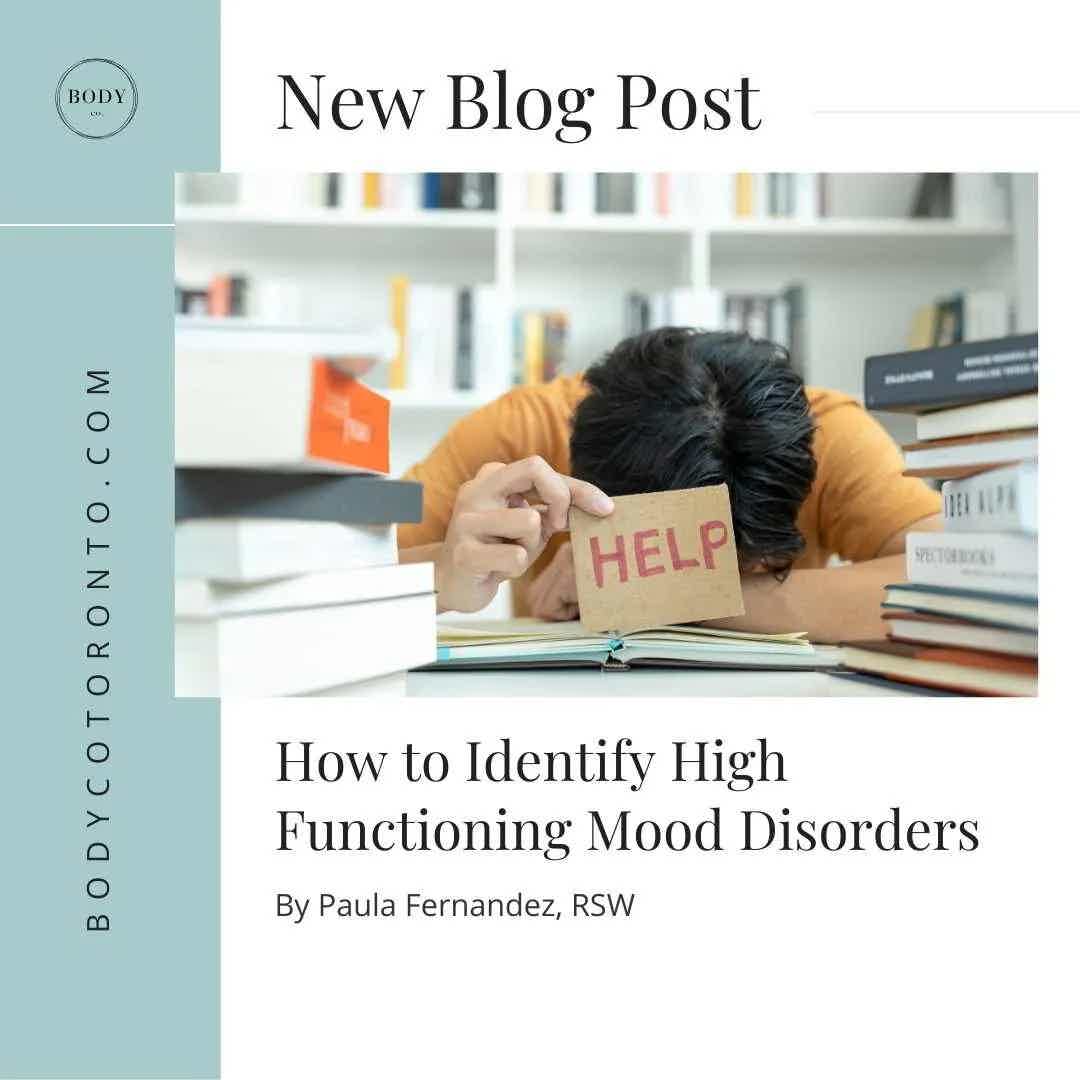
Often clients wait too long to start therapy or start at burnout or a state of crisis. It is important to
know how high functioning mood disorders present and the signs and symptoms to look out for.
On the outside these individuals may present as successful and well adjusted who are able to
maintain elevated levels of daily functioning without experiencing significant emotional distress.
Note, high functioning individuals with an existing mental health condition suffer internally and
often alone. Here are five types of high functioning mood disorders and what to look for.
High Functioning Depression (Persistent Depressive Disorder - PDD/Dysthymia):
- Signs and Symptoms: Chronic low mood, fatigue, low self-esteem, poor concentration,
and feelings of hopelessness lasting for at least two years.
- Functioning: Individuals can maintain daily responsibilities such as work and social
relationships, but they feel consistently unhappy or unfulfilled. Often described as an
underlining sadness or discontent.
High Functioning Anxiety:
- Signs and Symptoms: Excessive worrying, restlessness, irritability, muscle tension, and
disordered sleep.
- Functioning: Individuals may be high achievers, organized, and appear calm and
collected, yet they internally struggle with pervasive anxiety and fear of failure. They can
show up to their commitments but lack self care in the areas of sleep, nutrition, and
home life.
High Functioning Post-Traumatic Stress Disorder (PTSD):
- Signs and Symptoms: Intrusive memories, flashbacks, avoidance of reminders of the
trauma, negative changes in thinking and mood, and increased alertness and reactivity
- Functioning: Individuals may continue to work and interact socially while internally
managing significant distress related to their traumatic experiences. Coping mechanisms
can also present as dissociative tendencies and disconnection to the self.
High Functioning Bipolar Disorder (Cyclothymic Disorder):
- Signs and Symptoms: Periods of hypomania that includes elevated mood, increased
energy, reduced need for sleep and mild depression that last for at least two years. Both
manic and depressive episodes are mild in nature and different to Bipolar 1.
- Functioning: Individuals can often maintain stable jobs and relationships, though their
mood swings may cause intermittent disruptions in their lives and difficult to predict.
Unaddressed or undiagnosed cyclothymic disorder can lead to increased stressors, and
propensity to substances and anxiety.
High Functioning Seasonal Affective Disorder (SAD):
- Signs and Symptoms: Depressive episodes that occur seasonally, primarily in winter
months, characterized by low energy, over sleeping, overeating, and weight gain.
- Functioning: Individuals may manage their responsibilities and maintain an appearance
of normalcy despite the seasonal depressive symptoms, however struggling with healthy
habits and social isolation.
It is important to acknowledge that even if individuals with high functioning mood disorders
appear to be coping well, they can benefit from therapeutic support and treatment. It is best to
learn how to effectively manage symptoms through healthy coping mechanism to improve
quality of life through therapy, medication and or lifestyle changes.

Meet Paula (she/her)
Paula is a warm and approachable Registered Social Worker and Psychotherapist who treats her clients like human beings and not patients. Originally from Mexico, Paula takes a very integrated approach and believes our bodies hold the wisdom to help us heal. Paula is enthusiastic about therapy and personal growth, and strongly advocates for her clients to live the life that they want to live.
Paula obtained a Social Service Worker diploma from Humber College and a Bachelor of Social Work (honours) from York University. Paula started her career in Social Work in 2003, and participated in organizational work supporting women against violence, refugees, and members from marginalized populations, focusing on immigration settlement and outreach.
This meaningful work led her to seek other outlets to support and connect with people from a holistic place. She graduated from a five-year Psychotherapy program at the Gestalt Institute of Toronto while managing Integrative Health Clinics focused on functional medicine, chronic pain, women’s health, and hormones. Paula's unique approach to therapy integrates her Social Work background, ten years experience in the health and wellness industry and her mindfulness training. Paula is passionate about empowering her clients and works with individuals suffering from low self-esteem and body image, life transitions, depression, and anxiety.
She works with adults to create a safe space to explore this innovative, client-centred approach to therapy. In that space, she collaborates with the client to establish boundaries, build rapport, identify blocks, unfinished business, and new opportunities for growth.