Osteopathic Spotlight: What is Cranial Osteopathy and Who Can Benefit From It?
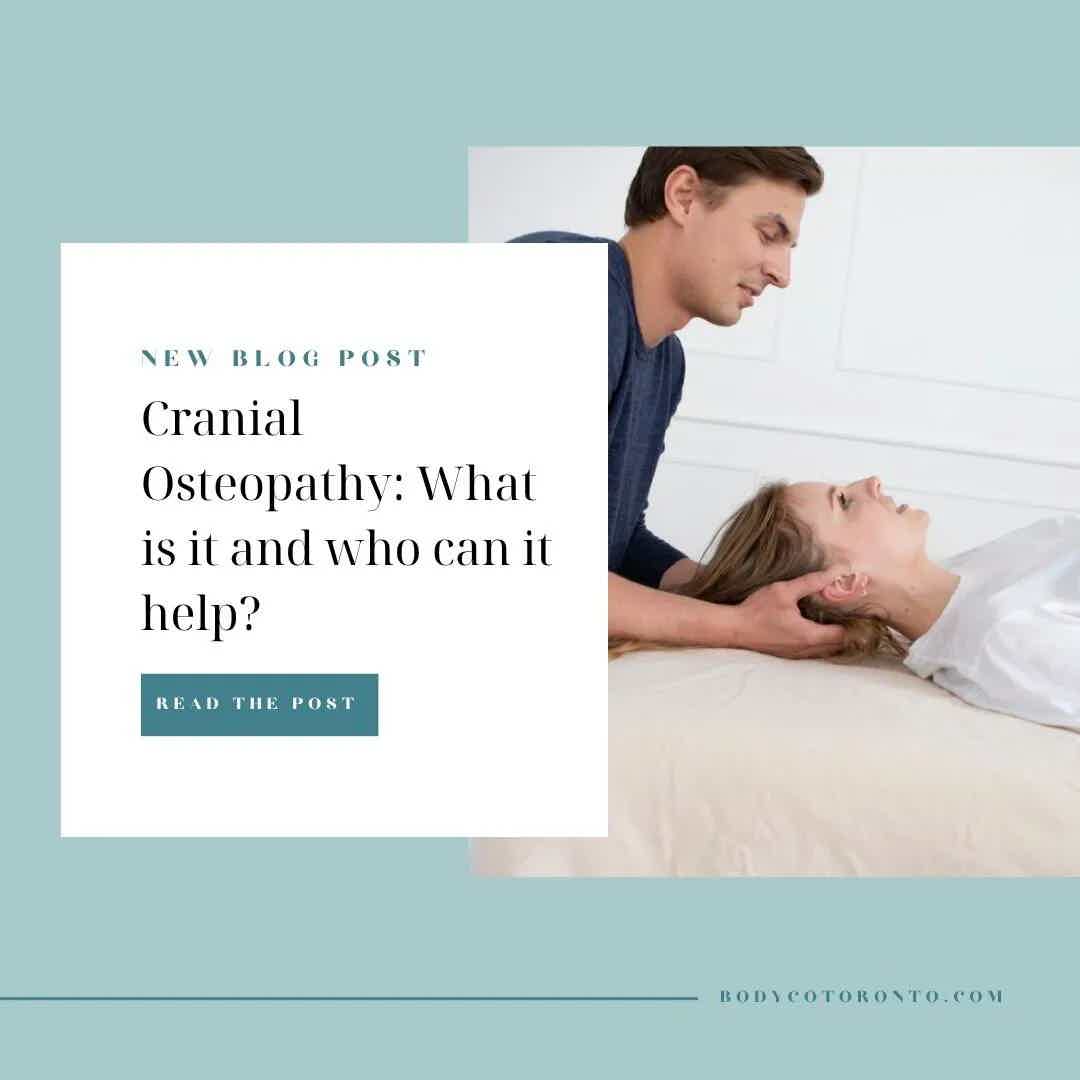
Cranial osteopathy, is a subtle form of osteopathic treatment, focused on the gentle manipulation of the cranial bones and the sacrum to restore balance, relieve stress, and improve overall well-being. Originating from the pioneering work of Dr. William Garner Sutherland in the early 20th century, cranial osteopathy is based on the concept that the bones in the human skull are capable of slight movements and that these movements affect the cerebrospinal fluid circulating around the brain and spinal cord.
Dr. Sutherland's discovery, known as the primary respiratory mechanism, suggests that disruptions in this rhythmic flow can lead to physical and psychological imbalances.
Physiological Basis of Cranial Osteopathy
The physiological mechanisms underlying cranial osteopathy are not fully understood, however
several theories underpin the basis of its efficacy:
Cerebrospinal Fluid (CSF) Dynamics:
Cranial osteopathy may influence the flow and circulation of cerebrospinal fluid (CSF) within the craniosacral system. CSF bathes and cushions the brain and spinal cord, and its circulation is believed to play a role in maintaining neurological function and overall health. By gently manipulating the craniosacral system, cranial osteopathy may help optimize CSF dynamics, facilitating the removal of waste products and promoting the delivery of nutrients to the central nervous system.
Tensional Integrity:
Cranial osteopathy may address tension and restriction within the craniosacral system, which can arise from trauma, injury, or stress. These tensions may manifest as restrictions in the movement of cranial bones, spinal vertebrae, or other structures. Cranial osteopathy uses gentle hands-on techniques to release these restrictions, allowing the craniosacral system to return to a state of balance and integrity. This may result in improved mobility, reduced pain, and enhanced function throughout the body.
Neurological Regulation:
Cranial osteopathy may influence neurological regulation by modulating the activity of the autonomic nervous system (ANS), which controls involuntary bodily functions such as heart rate, digestion, and immune response. By promoting relaxation and reducing stress, cranial osteopathy may help rebalance the sympathetic and parasympathetic branches of the ANS, leading to a state of homeostasis and improved overall health.
Fascial Relationships:
The fascia, a connective tissue that surrounds and supports the muscles, organs, and other structures of the body, is believed to play a significant role in cranial osteopathy. Tensions or restrictions in the fascia can affect the function of the craniosacral system and the body as a whole. Cranial osteopathy may help release fascial restrictions, allowing for better movement and function of the craniosacral system and promoting overall well-being.
Benefits of Cranial Osteopathy
Cranial osteopathy is known for its gentle, non-invasive approach, making it suitable for
patients of all ages, from newborns to the elderly. Cranial osteopathic treatment may lead to a
range of health benefits, including:
- Enhanced circulation and drainage of body fluids
- Relief from tension, stress, and associated symptoms
- Improved functioning of the body's autonomic nervous system
- Reduction in chronic pain and discomfort
- Better sleep patterns and increased energy levels
Common Conditions Treated by Cranial Osteopathy
- Migraines and tension headaches
- Chronic neck and back pain
- Stress and anxiety-related disorders
- Temporomandibular joint (TMJ) syndrome
- Post-concussion symptoms
- Digestive disorders
- Insomnia and sleep disturbances
- Infantile disorders - such as colic, feeding difficulties, head and neck abnormalities

Meet Andrew
Andrew has training in Osteopathy, Massage Therapy, and has completed an undergrad in Kinesiology at the University of Toronto. While at UofT, he spent time as both a varsity football athlete and a student athletic therapist working with the men’s varsity basketball and volleyball teams. It is there that Andrew developed a passion for sport medicine, physical therapy, and the human body as a whole.
As a former athlete, Andrew has a special appreciation for the important role movement plays in allowing us to be at our daily best. He believes in a holistic approach to treatment focused on restoring functional movement throughout the body. He is experienced in working with all ages and individuals from all walks of life to help restore balance to their bodies and achieve their goals.
Andrew specializes in acute and chronic conditions and traumas, with a special interest in the head and neck. Andrew has also completed additional training for treatment in post-concussion syndrome.
As part of Andrew’s osteopathic training, Andrew has completed a research thesis centred on “The Effect of Osteopathic Treatment of the Cranio-Facial Region on Nasal Patency” focused on the interrelationship of nasal respiration and osteopathic cranial treatment. Through this work, Andrew has experience training, educating, and treating individuals suffering breathing difficulties and breathing pattern disorders of all origins.