Cramping or Soreness After Pelvic Floor Physiotherapy – Is it Normal?
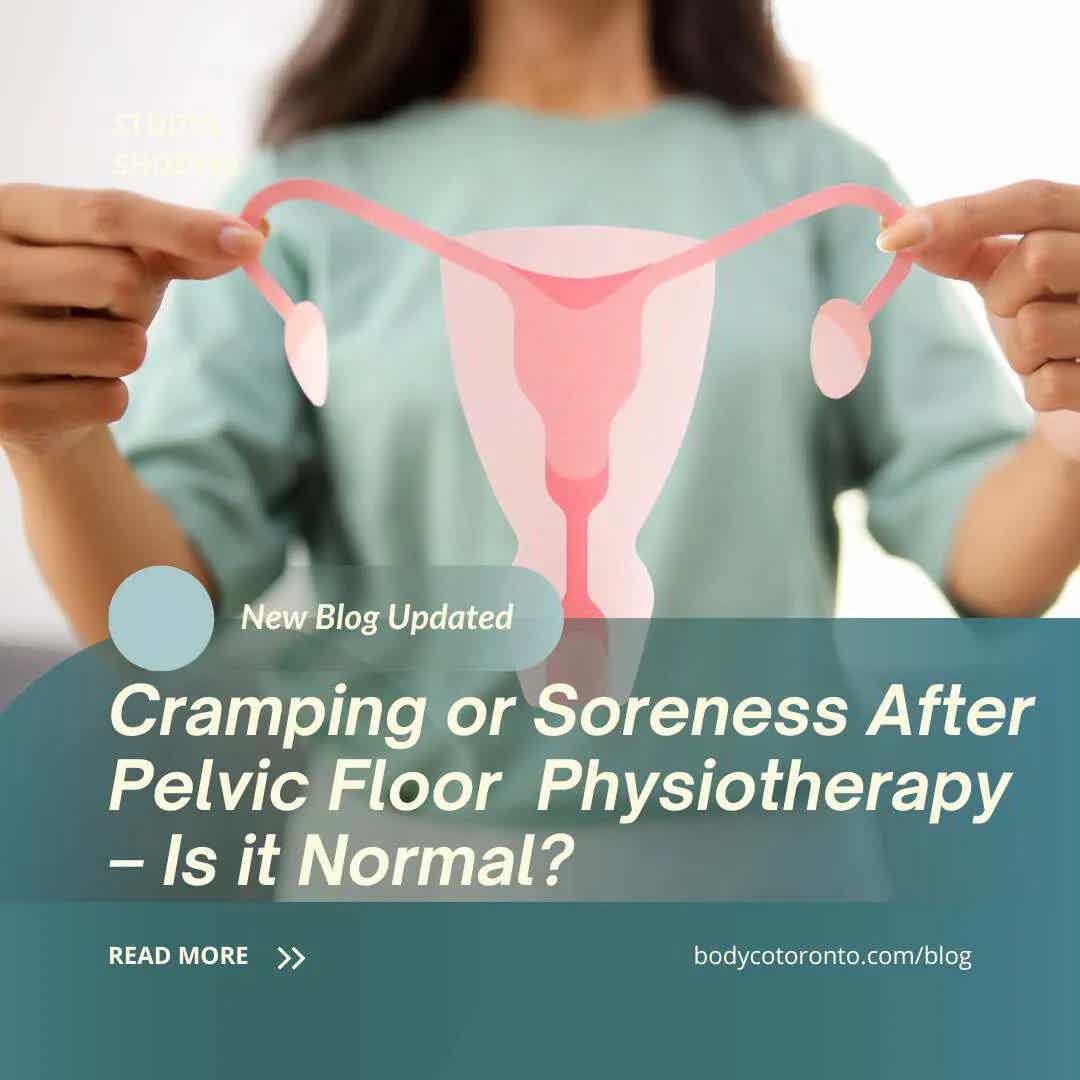
If you’ve recently had an internal pelvic floor physiotherapy session, you might notice some cramping, aching, or soreness afterward. Many people compare it to the feeling you get after starting a new exercise routine. The good news? In most cases, this is completely normal and temporary.
Why Does This Happen?
The pelvic floor muscles are like any other group of muscles — when they are stretched, released, or worked during therapy, they may respond with mild soreness. Techniques such as muscle release, trigger point work, or gentle stretching can leave tissues more sensitive for a short time. This usually settles within 24-48 hours.
Cramping or Soreness: Pregnant vs. Non-Pregnant Clients
For Non-Pregnant Clients
● Normal Response: Mild soreness, heaviness, or crampy sensations for 24–48 hours.
● Helpful Strategies: Warm compress, deep breathing, hydration, gentle walking or
stretching.
● When to Follow Up: If pain persists beyond 2–3 days, worsens, or is accompanied by
bleeding or unusual discharge.
For Pregnant Clients
Pelvic floor physiotherapy can be a safe and supportive part of prenatal care when guided by a trained therapist. Because the body is already changing, your response may be slightly different:
● What You May Notice: Some pelvic heaviness or light cramping that usually eases
within a day or two.
● Comfort Measures:
- Warm (not hot) baths or a warm compress on the low back/hips (avoid direct abdominal heat)
- Rest, hydration, and gentle walking
- Diaphragmatic breathing to encourage relaxation
● When to Reach Out: If the discomfort feels stronger than expected, doesn’t ease, or comes with unusual symptoms (like bleeding or fluid leakage).
★ Most pregnant clients find that any mild soreness after pelvic floor treatment is short-lived and comparable to how other muscles may feel after being worked in a new way.
How to Ease Post-Treatment Soreness (For Everyone)
● Apply gentle warmth (belly-safe options if pregnant)
● Use deep, calming breathing
● Stay hydrated
● Choose light movement over high-intensity activity if you feel sore
● Stay hydrated and rest if needed.
Frequently Asked Questions (FAQ)
1. Is pelvic floor physiotherapy safe during pregnancy?
Yes, when performed by a trained pelvic health physiotherapist. Techniques are always
adapted to keep you and your baby safe.
2. How long should soreness last after a session?
Most people notice relief within 24–48 hours. Longer or worsening discomfort should be checked by your physiotherapist.
3. Can I use heat if I feel sore?
Yes — if you are not pregnant, a warm compress or heating pad over the abdomen or pelvis is fine. During pregnancy, avoid direct abdominal heat; instead, use a warm bath or place gentle warmth on your lower back or hips.
4. Should I skip exercise after treatment?
You don’t need to stop moving. Gentle activity like walking is helpful, but avoid heavy lifting or
intense workouts for a day if you’re sore.
5. When should I contact my physiotherapist or doctor?
If soreness lasts beyond a couple of days, feels sharper than expected, or is accompanied by
unusual symptoms (bleeding, fluid leakage, fever), it’s best to check in.
6. When to Check Back In
While mild soreness is expected, contact your physiotherapist if:
● Pain worsens instead of improving
● Discomfort lasts longer than 2–3 days
● You experience unusual symptoms such as bleeding, fluid leakage, or sharp pelvic pain
Final Thoughts
Experiencing mild soreness or cramping after internal pelvic floor therapy is generally a normal
and expected part of the process — a sign that your muscles and connective tissues are
adapting. Whether you are pregnant or not, these sensations should diminish in a day or two.
If ever in doubt, your physiotherapist is the best person to guide you. We're here to support you,
ensure your comfort, and help you safely progress toward better pelvic health.
References
- American Physical Therapy Association (APTA) – Section on Pelvic Health. Pelvic Floor Physical Therapy: What to Expect.
- Royal College of Obstetricians and Gynaecologists (RCOG). Pelvic Floor Muscle Training During and After Pregnancy.
- Fitzgerald, M. P., & Kotarinos, R. (2003). Rehabilitation of the short pelvic floor. International Urogynecology Journal, 14(5), 261–268.
- Royal College of Obstetricians and Gynaecologists (RCOG). (2021). Pelvic Floor Muscle Training During and After Pregnancy.

Meet Alisha
Alisha is a dedicated and compassionate Registered Physiotherapist with a strong academic and clinical background in musculoskeletal and neurological rehabilitation. She earned her Bachelor of Physiotherapy (BPT) and Master of Physiotherapy (MPT) in Neurology from India,
where she developed a deep understanding of movement science and rehabilitation techniques.
After moving to Canada, she expanded her expertise in pelvic floor physiotherapy, orthopaedic rehabilitation, and concussion management, helping individuals regain function, reduce pain, and enhance their quality of life.
At the core of Alisha’s practice is her commitment to patient-centered care. She strongly believes in empowering her patients to take an active role in their healing process. By combining advanced physiotherapy techniques with education and individualized treatment plans, she helps her patients overcome challenges, meet their goals, and return to the activities they love. Whether it’s helping someone recover from an injury, improve pelvic health, or manage musculoskeletal pain, Alisha is deeply dedicated to making a positive impact in her patients’ lives.