Sleep: Why It Matters (Especially When the Clocks Change)
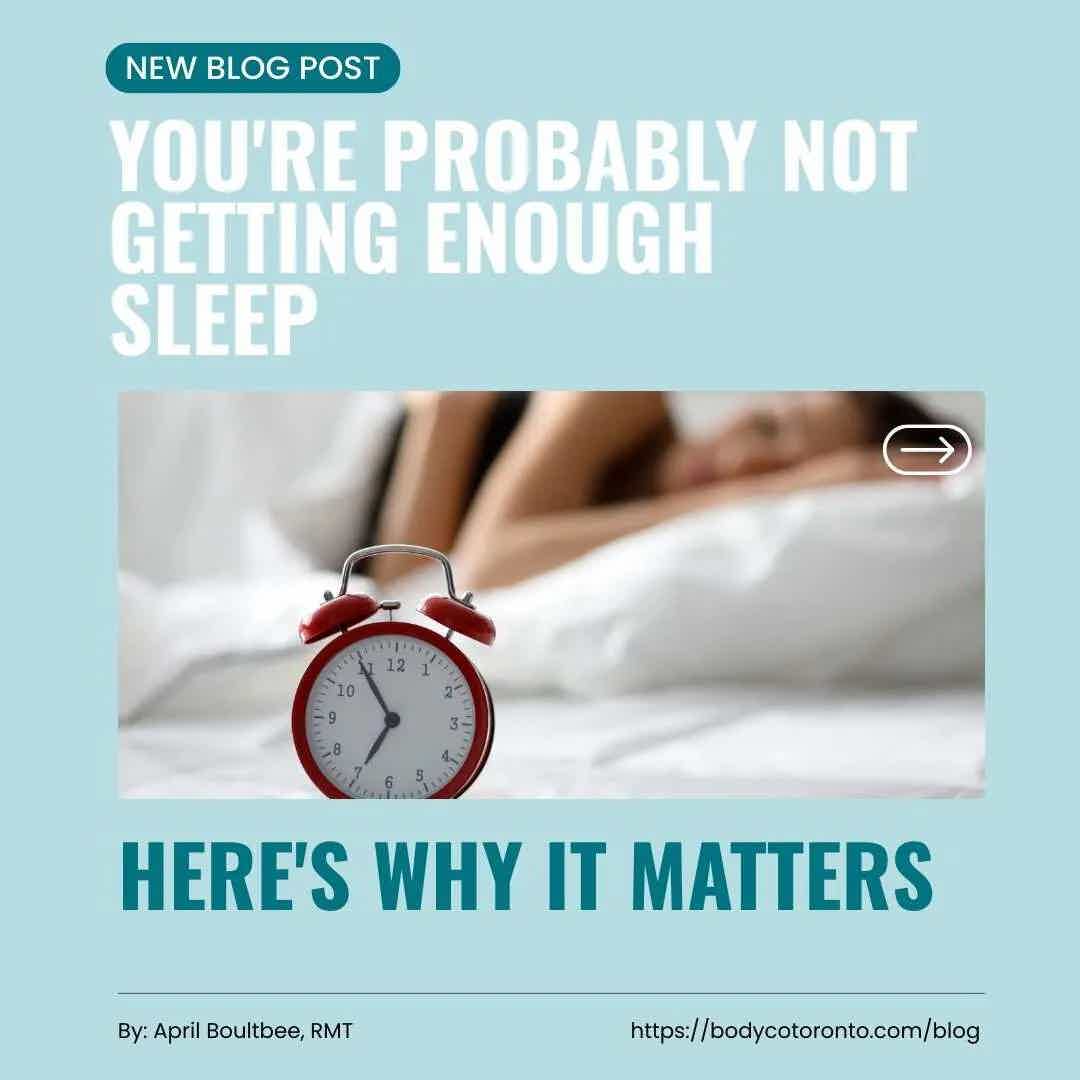
With Daylight Saving Time (DST) upon us, many of us are adjusting to losing an hour of sleep. While one hour might not seem like much, it can disrupt our body’s internal clock and leave us feeling tired, foggy, and out of sync for a few days.
It’s a good reminder to talk about something we all do, but often don’t prioritize enough: sleep.
We spend about one-third of our lives sleeping, yet many people still view it as optional or something that can easily be sacrificed when life gets busy. In reality, sleep is one of the most important things we can do for our overall health.
What Happens During Sleep?
Sleep is not simply a time when the body “shuts off.” It is actually a period of intense biological activity and restoration.
During sleep, the body and brain work hard to:
- Repair muscles and tissues
- Support immune system function
- Consolidate memories and learning
- Regulate hormones that control appetite, stress, and growth
- Clear waste products from the brain
Sleep occurs in cycles that include light sleep, deep sleep, and REM (rapid eye movement) sleep. Each stage plays a different role in physical recovery, brain function, and emotional health.
Why Sleep Is So Important
Research shows that chronic sleep deprivation or poor-quality sleep can increase the risk of a variety of health problems, including:
- High blood pressure
- Cardiovascular disease
- Diabetes
- Depression
- Obesity
Sleep also affects our mood, concentration, reaction time, and overall energy levels. When we consistently get good sleep, we tend to think more clearly, feel more balanced, and function better during the day.
Sleep and Athletic Recovery
For athletes and physically active individuals, sleep is where much of the real recovery happens.
During deep sleep, the body releases growth hormone, which helps repair muscles, build tissue, and support recovery from physical activity. Adequate sleep can also improve reaction time, endurance, and overall performance.
In other words, training may happen in the gym but progress happens during sleep.
Sleep Trackers: Helpful or Stressful?
With modern technology, many people now use sleep trackers or smartwatches to monitor their sleep patterns, including time spent in REM, deep, and light sleep.
These tools can sometimes provide helpful insights and encourage people to be more aware of their sleep habits. However, they are not always perfectly accurate. For some individuals, constantly monitoring sleep data can even create stress or anxiety about “getting the right numbers.” With trackers, it might be more helpful to track trends over time rather than looking at the data every day.
The most important indicators of good sleep are still simple:
- Do you fall asleep relatively easily?
- Do you stay asleep most of the night?
- Do you wake up feeling rested?
If the answer is usually yes, you’re probably doing well.
Sleep and Mental Health
Sleep and mental health are closely connected.
Poor sleep can increase irritability, stress, and difficulty concentrating. Over time, it can also contribute to anxiety and depression. At the same time, mental health challenges can make it harder to fall or stay asleep, creating a cycle that can be difficult to break.
Prioritizing healthy sleep habits can play an important role in supporting both physical and emotional well-being.
Tips for Good Sleep Hygiene
Simple habits can make a big difference when it comes to improving sleep quality:
- Keep a consistent sleep schedule – go to bed and wake up at the same time each day.
- Limit screen time before bed – blue light can interfere with melatonin production.
- Create a relaxing bedtime routine such as reading or gentle stretching.
- Keep your bedroom cool, dark, and quiet.
- Avoid caffeine late in the day.
- Get regular physical activity, which can help regulate sleep patterns.
Adjusting to Daylight Saving Time
When the clocks move forward, our bodies may need a few days to adjust. A few strategies can help ease the transition:
- Gradually shift your bedtime earlier by 15–20 minutes in the days leading up to the change.
- Get morning sunlight, which helps reset your internal clock.
- Avoid heavy meals or caffeine late in the evening.
- Be patient. Most people adjust within a few days.
The Takeaway
Sleep isn’t a luxury; it’s a critical part of maintaining good health.
Resources:
1.https://www.ninds.nih.gov/health-information/public-education/brain-basics/brain-basics-understanding-sleep
2.https://pmc.ncbi.nlm.nih.gov/articles/PMC11195859/
3.https://www.sleepfoundation.org/sleep-hygiene
4.https://www.nhlbi.nih.gov/health/sleep-deprivation/health-effects
5.https://news.fiu.edu/2026/how-to-survive-daylight-saving-time-fiu-sleep-expert-shares-tips-before-we-spring-forward